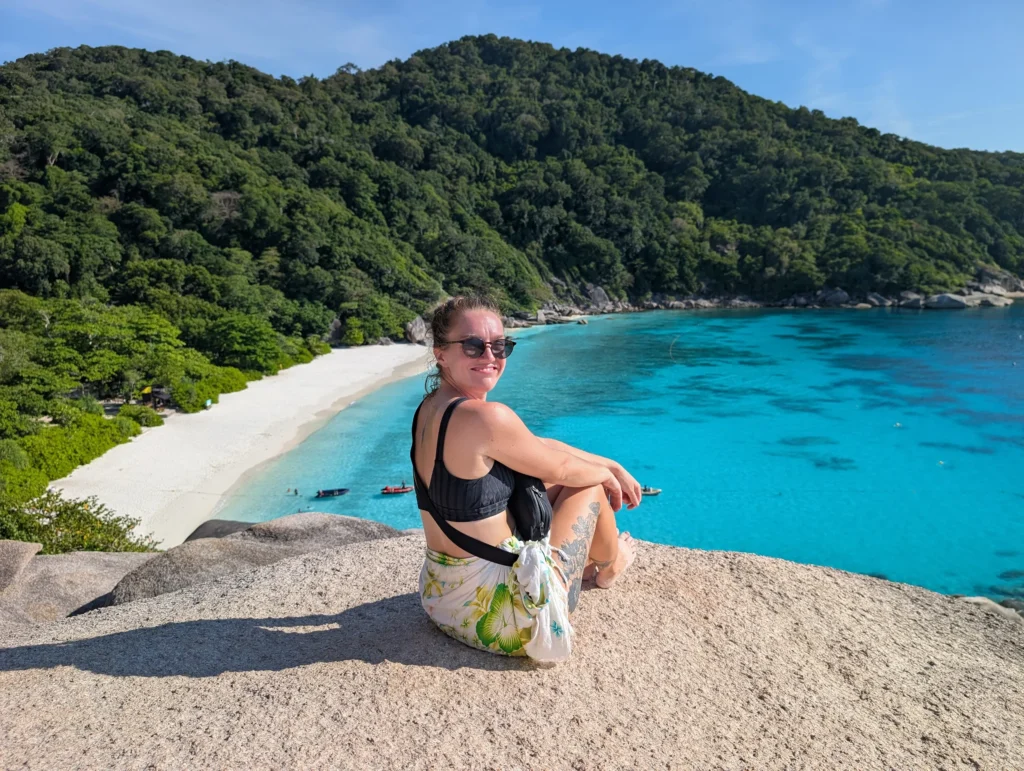
If you’re on the fence about whether a diving liveaboard in Thailand is the right trip for you, then keep reading. In this post, I’m breaking down whether a liveaboard is actually worth it, along with the real pros and cons of diving by liveboard in Thailand (specifically when exploring the Similan and Surin Islands).
I did my first liveboard in Thailand last year (you can read about the experience here), and since that trip, I’ve been completely hooked. I’ve already booked a return to the Similan Islands in February 2026, and I’ve signed up for two more liveaboards over the next two years.
That first Similan Islands liveaboard ended up being one of my favorite trips of all time, and easily one of my favorite trips of 2025. Which is really saying something, considering I also dove in Palau, Komodo, and Malapascua in the same year.
As incredible as a liveaboard can be, it’s definitely not the cheapest trip to plan. So today, I’m breaking down whether a liveaboard is truly worth the investment, and walking you through the honest pros and cons of diving by liveboard in Thailand.
Ready? Let’s dive right in.
Please note: This post contains affiliate links, meaning I may earn a commission if you make a purchase by clicking a link (at no extra cost to you). Thank you for supporting my blog!
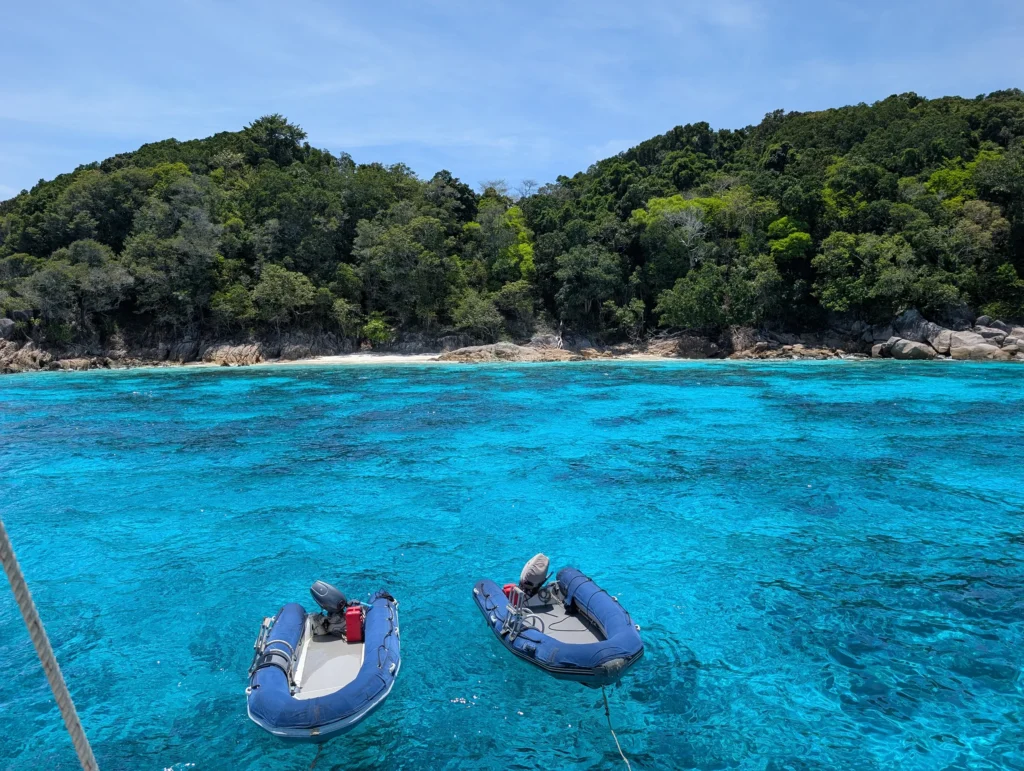
Is a Liveaboard Worth It? Pros & Cons of Diving by Liveaboard in Thailand
For most of the divers I know, a liveaboard is the ultimate dive trip. Liveaboards some of the most rewarding diving experiences that you can have, but as I mentioned above, they can be more expensive than landbased diving. I’ll get into all of that shortly, but first, if you’re new to diving or this is your first time reading about liveaboards, let’s start with the basics.
What is a Liveaboard?
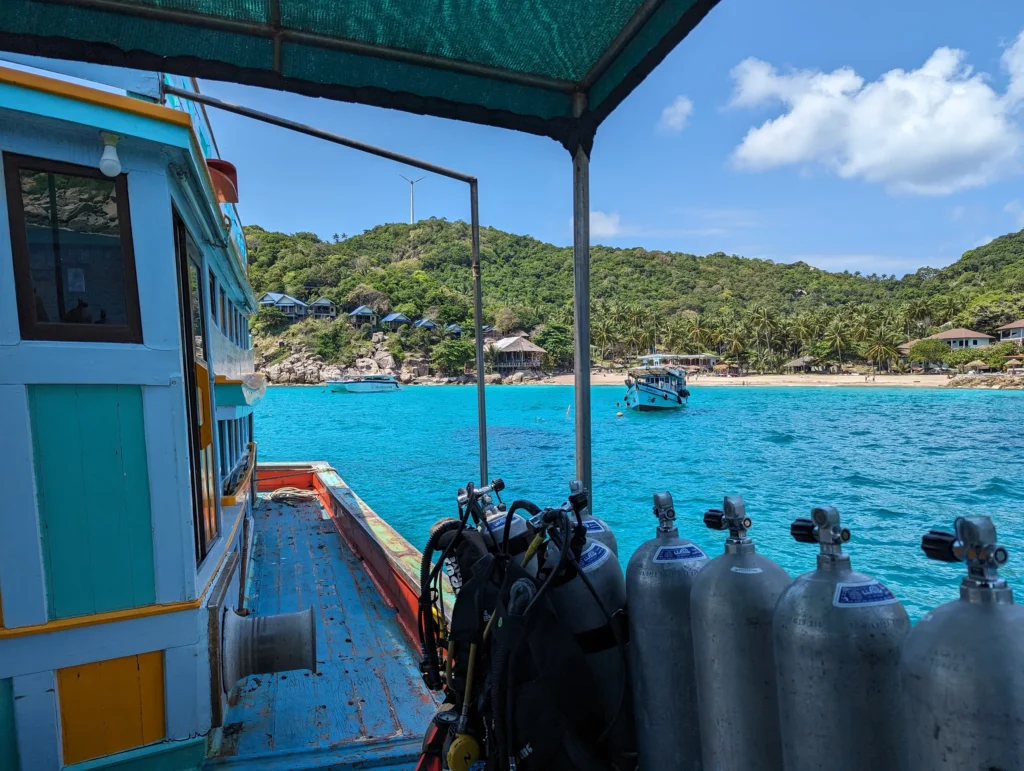
I sometimes describe liveaboards as a “mini cruise” designed specifically for divers. It’s a boat that you live on for the duration of your trip, and it’s purpose-built to take divers to dive sites that are further from land.
A good liveaboard will have a dedicated dive deck where you store your gear (including dedicated camera spots), a kitchen and dining area where everyone hangs out between dives, and cabins where you sleep. Some will also have additional sun decks or covered TV rooms where you can chill if the weather is bad.
If you want to see what a liveaboard actually looks like day-to-day, you can read my full review of my trip last year onboard the MV Blue Dolphin in Thailand with Big Blue Khao Lak (book directly with them for the best price).
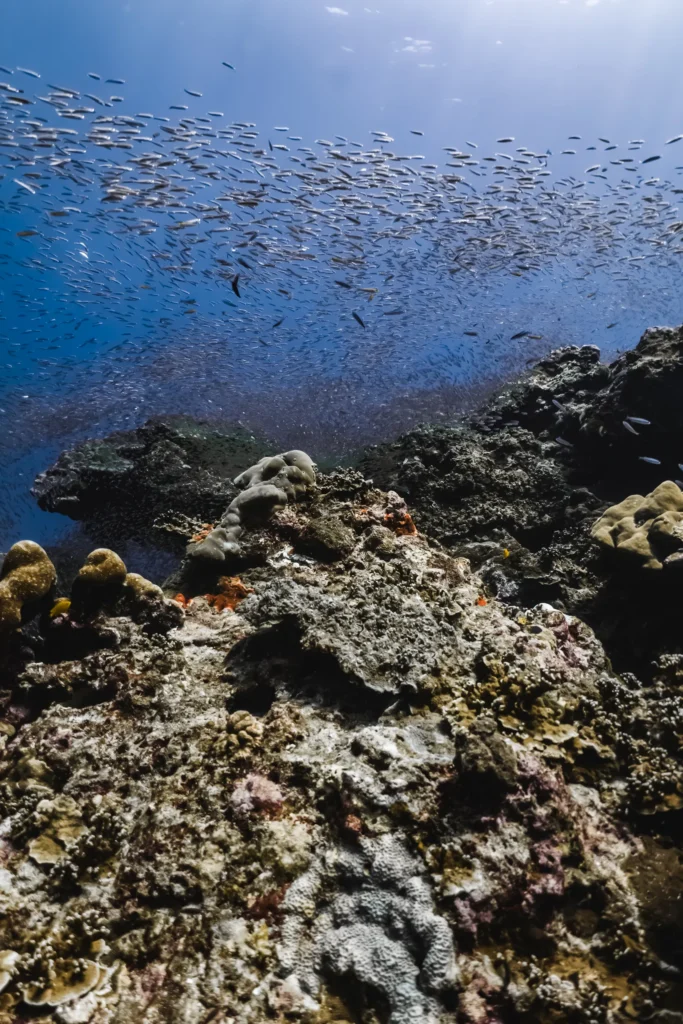
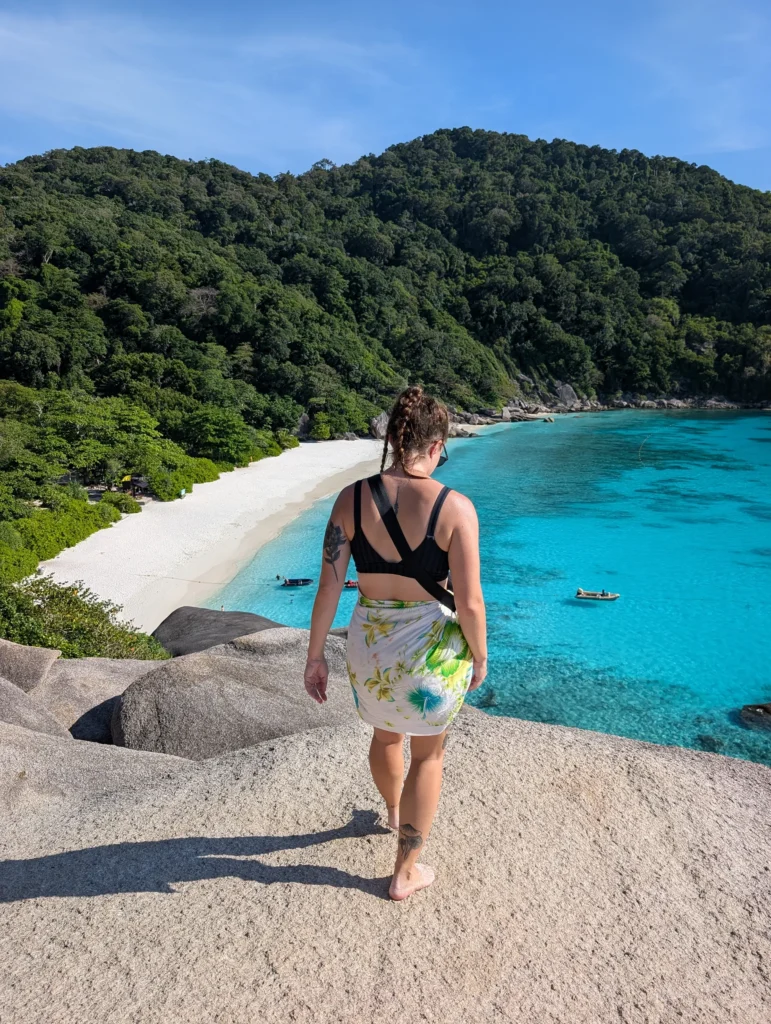
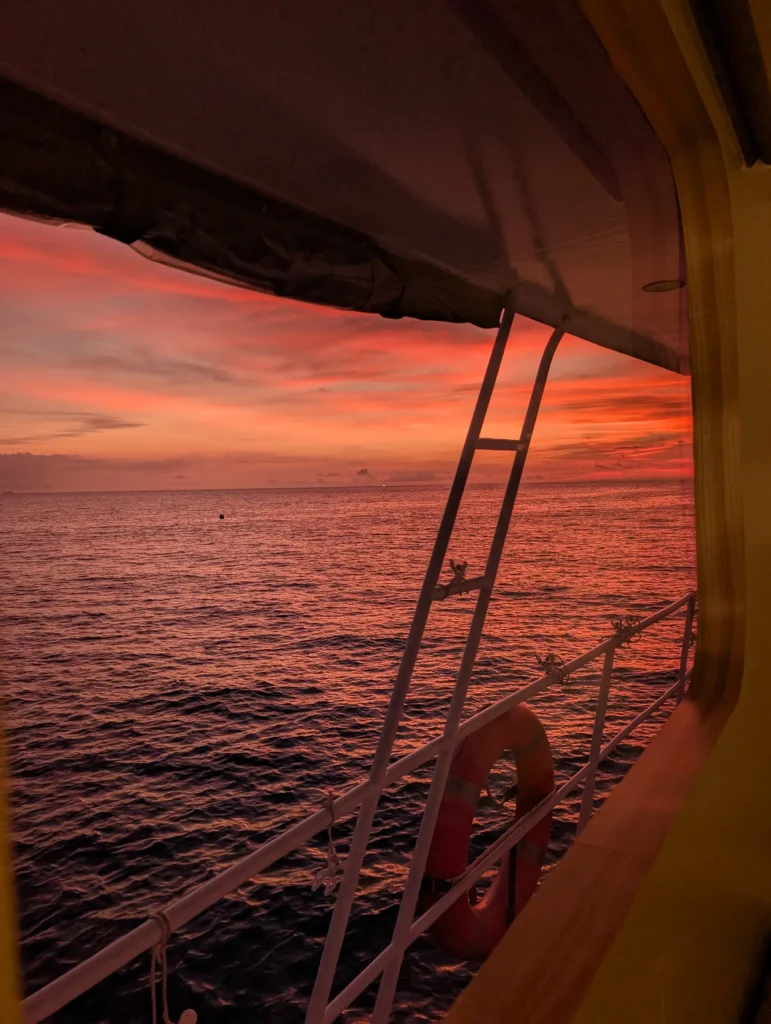
What makes a Liveaboard so special?
So what is it that makes divers so obsessed with liveaboards? And why are they such a unique way to travel?
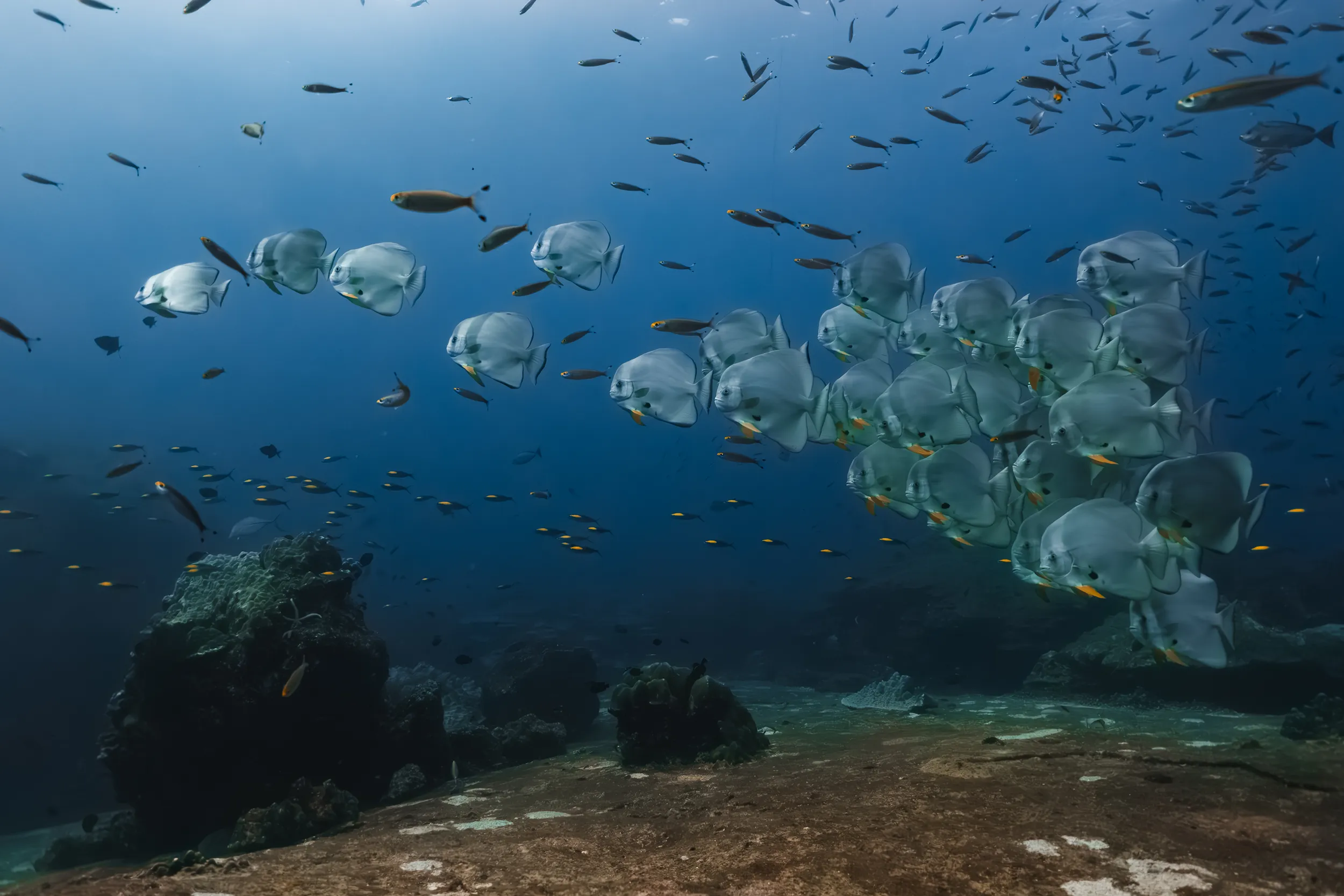
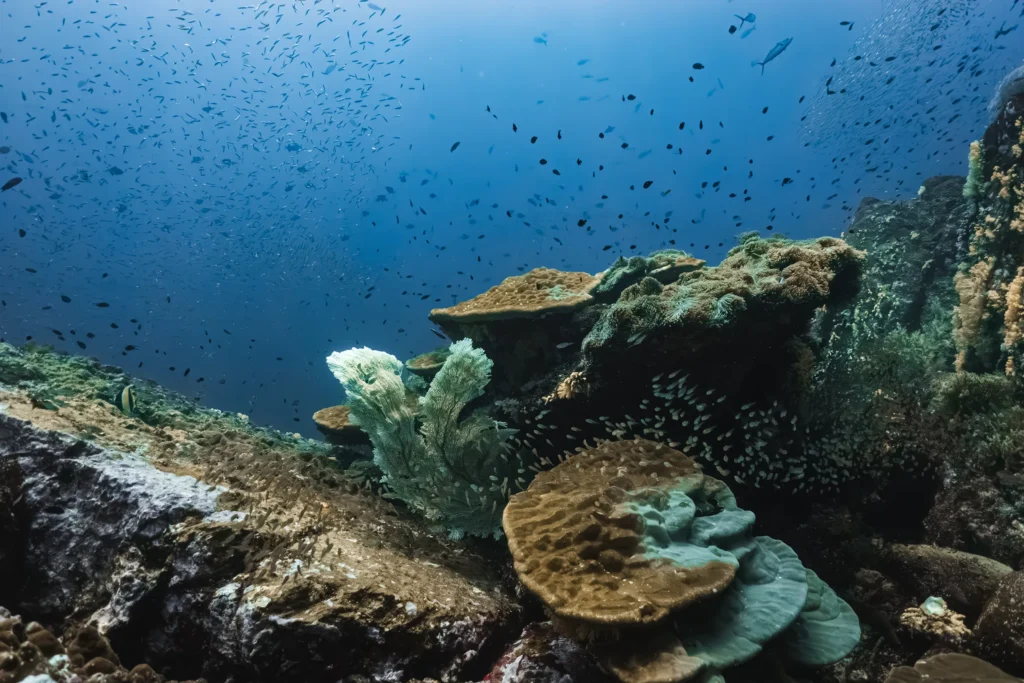
For starters, some dive sites are actually only accessible by liveaboard. They’re simply too far from shore to reach on a day trip. So, having your bed, meals and diving gear with you means you can stay longer, dive more, and explore truly remote dive sites.
Because you’re diving farther from land, you’ll also often have dive sites more to yourself. Near-shore sites tend to be busier, with more boats and more divers. With liveaboards, the time commitment and cost usually mean fewer people overall, which is a huge plus.
On that note, you can often travel overnight and sleep close to dive sites, which means even if day-trippers come from land, it’s easy for your boat to be some of the first divers in the water.
And finally, liveaboards give you the chance to eat, sleep and dive alongside a group of incredible, like-minded people who love scuba diving just as much as you do. They’re a natural gathering place for divers, and it’s very likely that you’ll walk away with friendships that last long after the trip ends.
What makes a Liveaboard so expensive?
If I’m being honest, the biggest con of liveaboards is usually the price. But here’s the thing, once you break down what you’re actually getting, it’s easier to see why it’s worth every penny.
Our liveaboard in the Similan Islands last year was actually one of the most affordable and well-priced diving experiences we had all year. When you look at the cost per dive in the Andaman Sea, it’s surprisingly reasonable.
Think about what’s included: a new, comfortable boat*; all your meals and snacks; several crew members taking care of everything; and a dive guide to make sure every dive is safe and smooth. Then add in the fuel costs to reach remote dive sites and it all adds up.
Considering everything, I genuinely think liveaboards are 100% worth it. For me, the only downside is that I can realistically do just one or two a year (which, honestly, already feels like a huge privilege).
**Based on my experience diving onboard the MV Blue Dolphin. I know that all boats are not created equally and you should do a lot of research before booking. My tip when booking a liveaboard is to ask for recommendations from people who’ve actually been on the trip before. That’s how we found Big Blue Khao Lak. Personal experience is always the best way to go when diving.
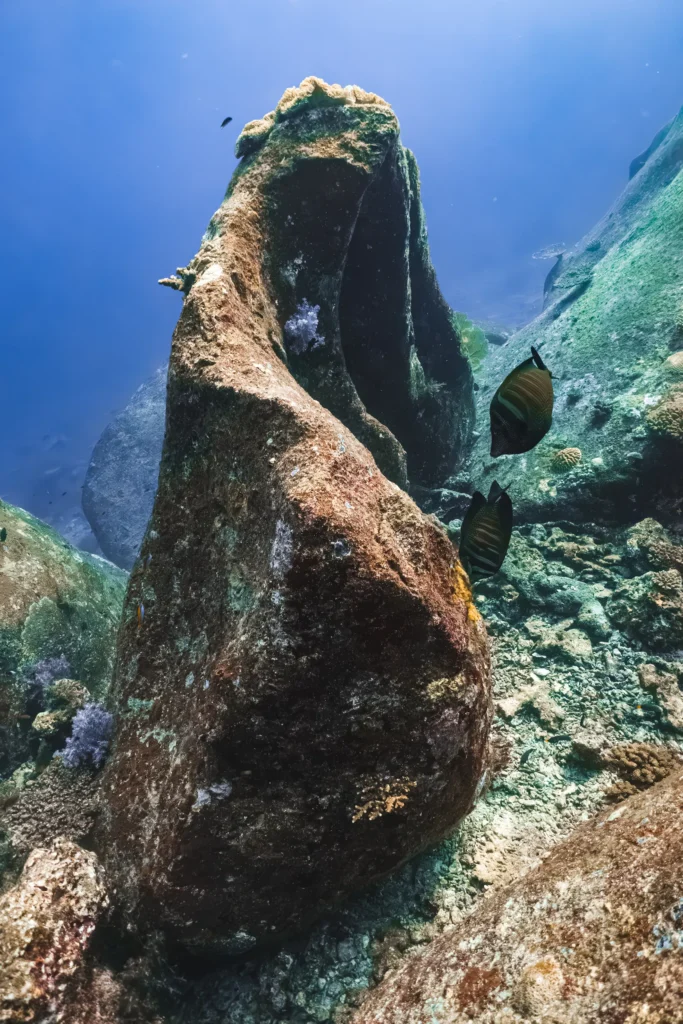
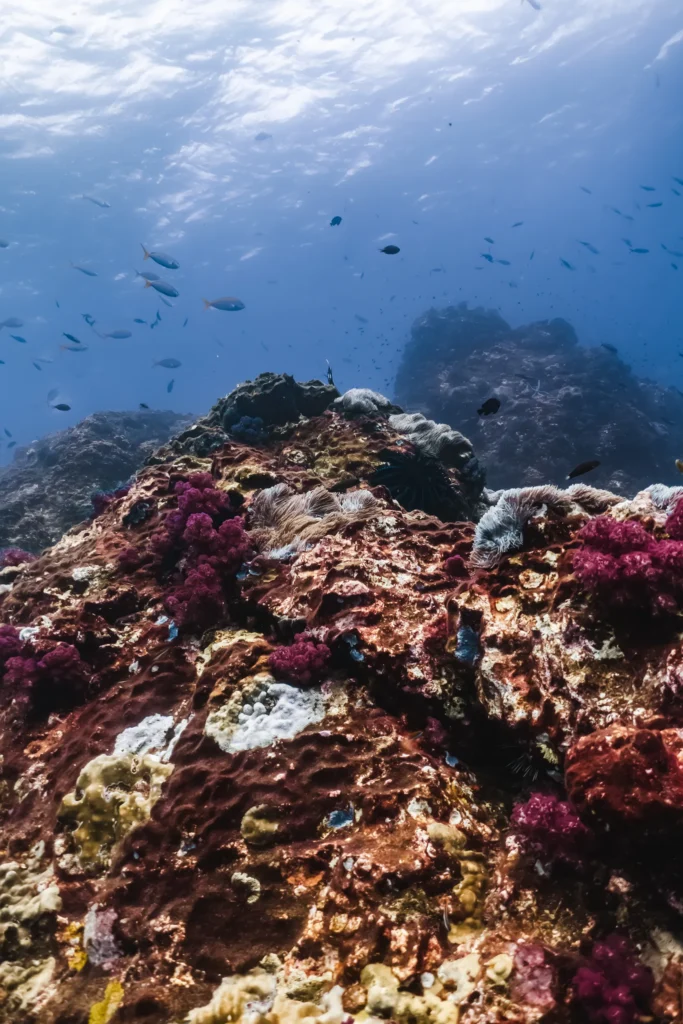
Pros & Cons of Diving by Liveaboard in Thailand
Now that you know what makes a liveaboard so special, let’s break down the pros and cons of diving by liveaboard in Thailand. While I absolutely loved my liveaboard experience (so much so that I’ve already booked to go back), there are still times when I’ve chosen land-based diving instead.
Having done both, I know the advantages and trade-offs of liveaboards versus shore-based diving so this section is meant to give you an honest, experience-based look at what to expect, not just the highlight reel.
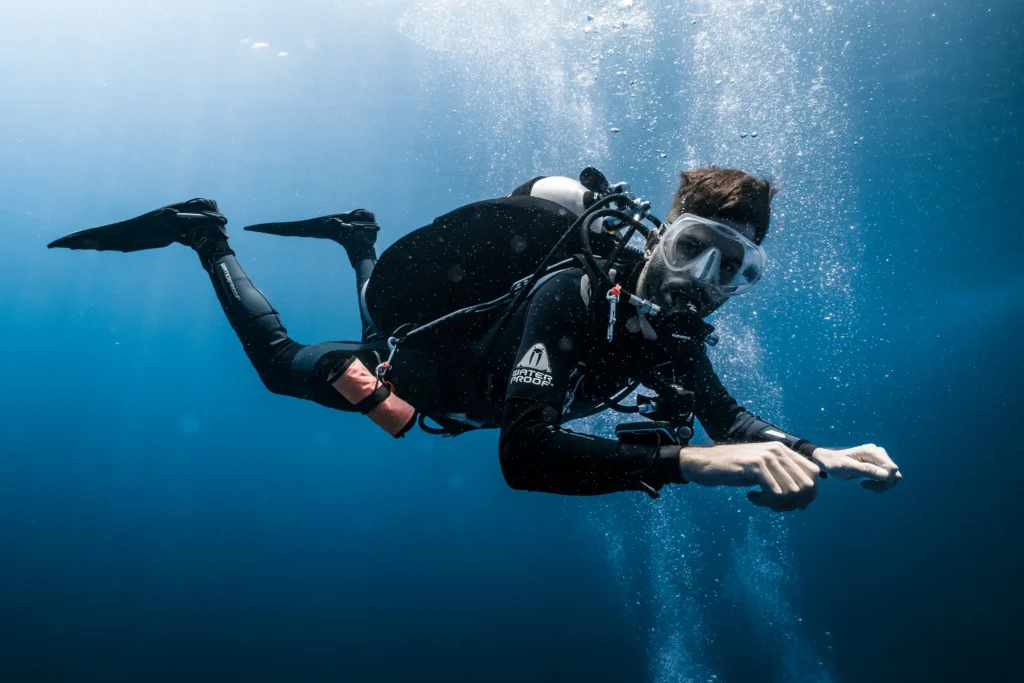
Pros of Diving by Liveaboard in Thailand
Being the first divers in the water.
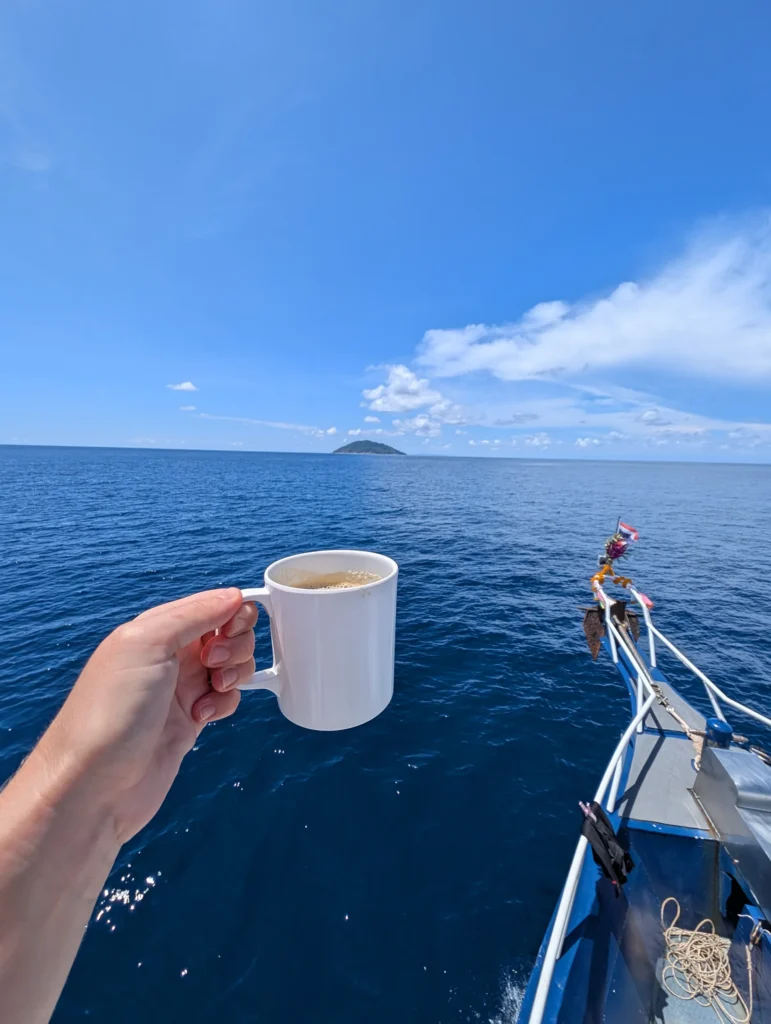
Diving is pretty much the only reason I’ll willingly get up early, and knowing I can wake up, grab a coffee, and be in the water within thirty minutes is one of the best parts of a liveaboard. You’ll often have your first dive finished and be sitting down to breakfast before the day-trippers even arrive.
Getting to dive multiple times at the best dive sites.
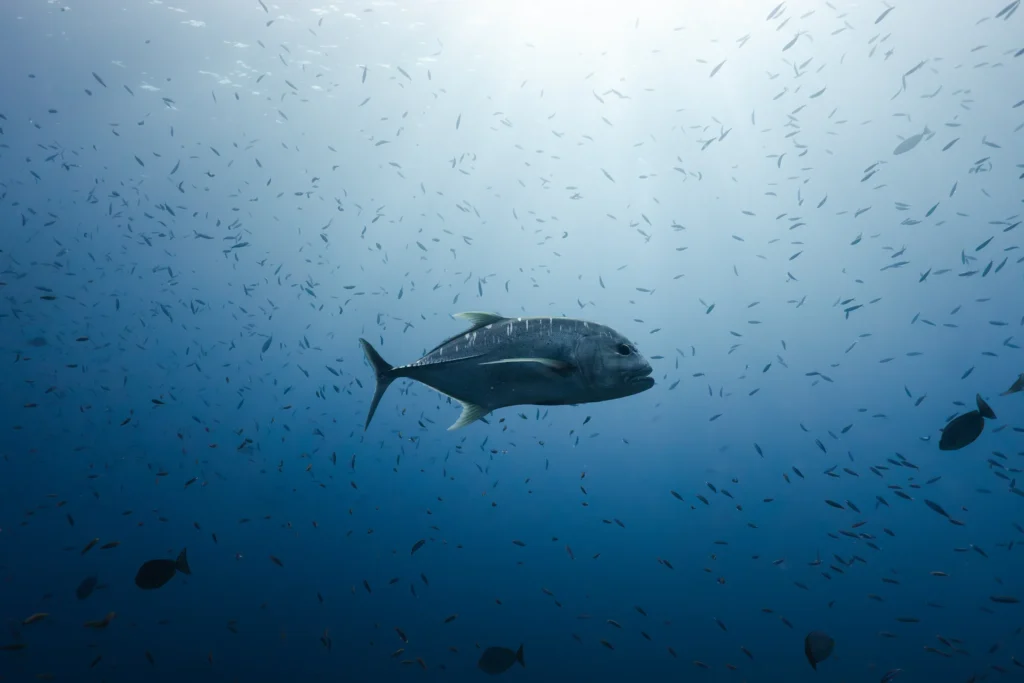
On our liveaboard in Thailand, we were able to do multiple dives at some of the best dive sites in the world. For example, we did three dives at Richelieu Rock and three dives at Koh Tachai, which are two of my all-time favorite dive sites.
Eat, sleep, dive, repeat.
This one honestly needs no explanation.
More comfortable travel time between dive sites.
I love diving, but spending hours on a day boat to reach dive sites is not my favorite thing, especially when the weather isn’t great. On a liveaboard, you can head back to your cabin, take a shower, and have a nap while the boat cruises to the next site.
Hot showers and good food between every dive.
Speaking of naps, you can also peel off your wet swimsuit, rinse off the salt water, and eat genuinely delicious, hot food between dives. It makes a huge difference over a multi-day trip.
The chance to do up to four dives a day.
I’m always going to choose more dives whenever I can.
Everything is included in one price.
Your accommodation, food, and diving are all covered, which makes planning incredibly easy. Once you’re on the boat, there’s nothing to think about. Just bring some cash for national park fees and tips for the incredible crew.
Cons of Diving by Liveaboard in Thailand
The cost.
This is probably the biggest con. If I could, I would always travel by liveaboard because of all the pros above, but the price means I can only do a limited number of liveaboards each year.
Seasickness can be an issue.
For some people (myself included), seasickness can be a real challenge. On the first night of our Similan Islands liveaboard, I felt pretty rough, so this can be something to keep in mind if you know you’re sensitive to motion. Luckily on our trip there were plenty of electrolytes and seasickness tablets, so I was able to recover quickly and once I got my sea legs, I was fine for the rest of the trip.
You’re at the mercy of the weather.
If the weather isn’t great, you’re essentially stuck on a boat in a storm, which can be a bit of a bummer. The good news is that once you’re underwater, the rain doesn’t affect the diving itself. We had one rainy afternoon on our trip but we didn’t let it stop us from playing games together on the main deck.
You’re sharing the experience with the same group the entire trip.
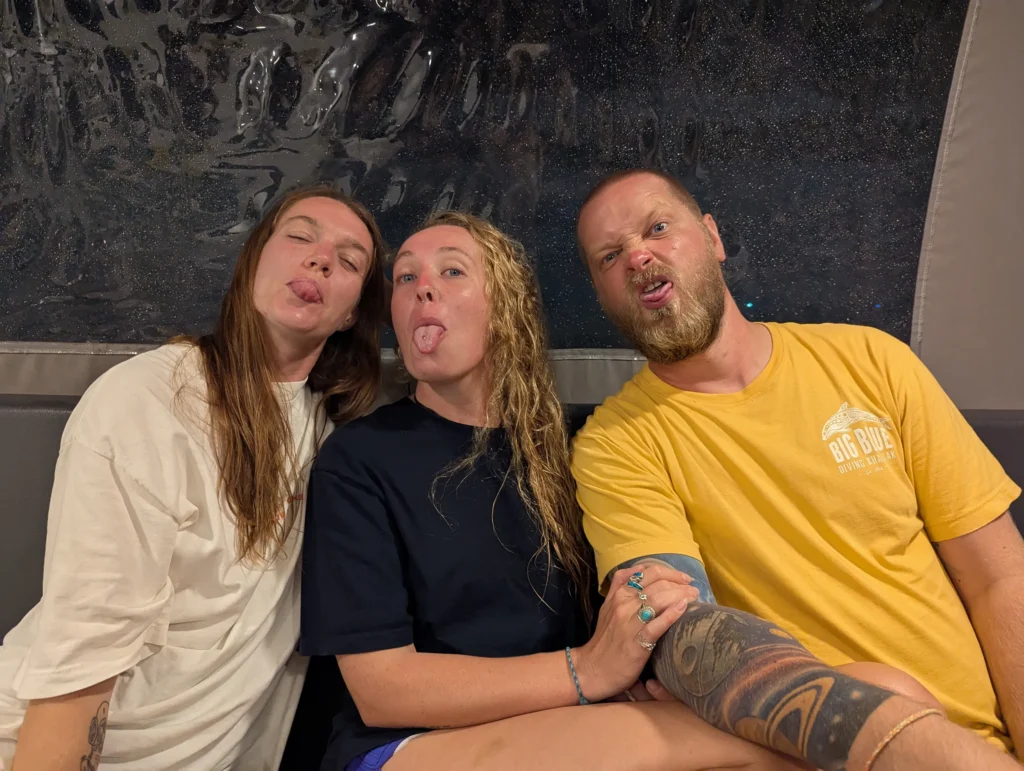
This hasn’t happened to me personally, but if you don’t click with the people you’re diving with… you’re kind of stuck. That said, the opposite happened on our trip. The vibes were so good that we actually decided to go back and dive with the same crew again. I may be biased at this point, but I think Big Blue Khao Lak attracts the best people to dive with.
Is a Liveaboard in Thailand Worth It?
Honestly, in the Andaman Sea, a liveaboard is 100% worth it. Sure, some dive sites are technically accessible by day trip, but that usually means long days on the boat… getting up early, traveling back late, and spending hours in transit. On a liveaboard, you wake up right at the dive sites, and all your travel time is replaced with relaxing in your cabin, reading in the sun, or catching up on sleep.
Waking up at the dive sites also means you’re often the first in the water, enjoying quieter conditions before the crowds arrive. While the Similan and Surin Islands are reachable by day trip, a liveaboard makes the entire experience much more enjoyable and immersive.
The Similan and Surin Islands are also a great place to try your first liveaboard. At just four to five nights, it’s a manageable time commitment, and because the dive sites are relatively close to shore (and to each other), it’s one of the more affordable liveaboard options I’ve seen.
For me, going on a liveaboard in the Similan Islands was one of the best trips of my life. I’m already booked to go back and fully expect to dive with Big Blue Khao Lak for years to come. If you’re still unsure, reach out to them. Booking directly always gets you the best price, and they can answer any questions you might have.
What do you think? Is a liveaboard worth it for you? Will you be booking one after reading this post? I hope so!
If you want to read more about my experience, check out this post next. And if you do book with Big Blue Khao Lak, mention my name to get free nitrox on your trip!
Maybe I’ll see you out there. Happy diving!
Love this travel guide?
Much like a cup of coffee, I pour my heart and soul into each post! Say thank you by buying me a cup of coffee. Support this blog and keep it ad-free.
If you want to see where in the world I am, make sure to follow me on Instagram and TikTok.