What does it mean to be a responsible diver? How can you protect the ocean and all its incredible inhabitants on every dive? In this post, I want to try to answer these questions and talk more broadly about responsible diving in the Similan and Surin Islands specifically.
I believe these conversations are so important. As more people learn how to dive, there is inevitably going to be more stress placed on the dive sites that we know and love so much. Much like hiking and other recreational activities, there are ways to enjoy a place and leave it as you found it, and there are ways where your impact can damage environments in the long term. And I would argue that this is even more important in fragile underwater ecosystems.
I hope you’ll read this post with an open mind and take the time to think critically about your own diving skills and the companies you choose to dive with, to make sure that you’re protecting the ocean on every dive.
I’m far from a perfect diver, I’m coming from a place of learning and growth myself. I hope you’ll join me on the journey to become a more responsible diver.
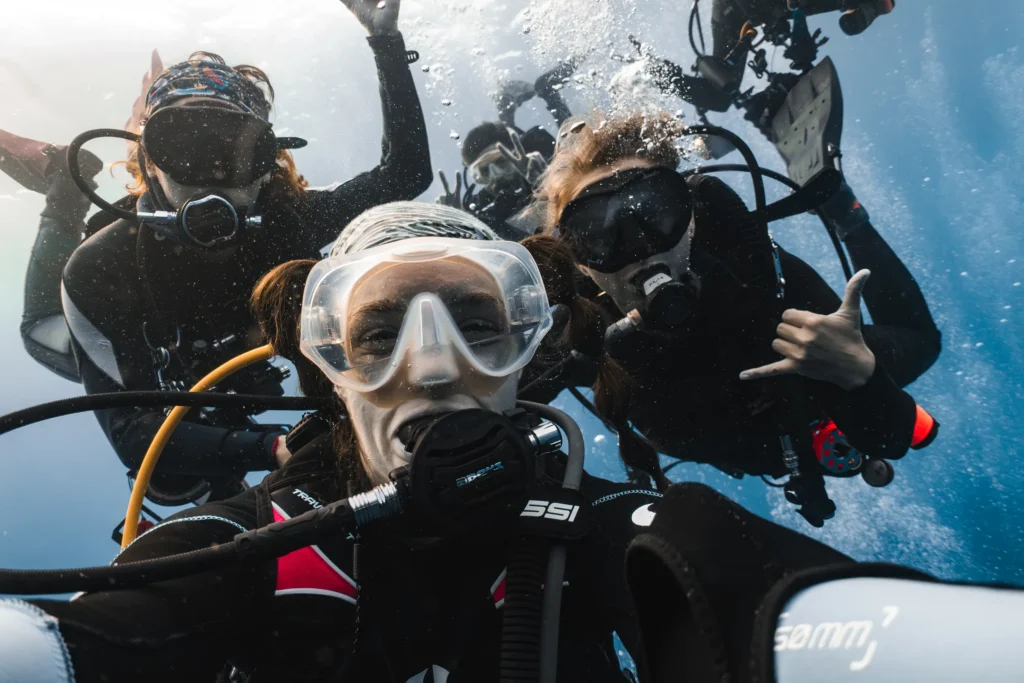
Responsible Diving in the Similan and Surin Islands
I’ve been lucky enough to go on two liveaboards in the Similan and Surin Islands and I can confidently say that both experiences were amazing. I hope to be able to come back and dive in this part of the world for years to come. On both trips I dove with Big Blue Khao Lak, onboard the Blue Dolphin MV (read my review of the boat).
For me, this company embodies what it means to be responsible and conscious divers. Later in this post, I’ll talk more about this and how you can choose diving companies that are true ocean stewards.
The Similan and Surin Islands are a truly magical place to dive (read my trip report here), with crystal clear blue waters, rich marine biodiversity and unique underwater granite formations.
If you’ve been diving around here, you know just how magical it is. But you also might know just how busy it can get, especially around its most famous dive site, Richelieu Rock. It’s the viral popularity of specific dive sites, like Richelieu Rock, that put additional pressure on the ecosystem.
As someone who loves to go diving all around the world, I would never want to tell you not to go somewhere. That’s especially unfair coming from someone who’s been there. Instead, I want to focus on how we can all be guardians of these magical places, so that we can continue diving them forever.
Best Practices for Responsible Diving
I believe that it all starts with being a responsible diver. You’re going to hear that a lot, so let me break down what it means (to me).
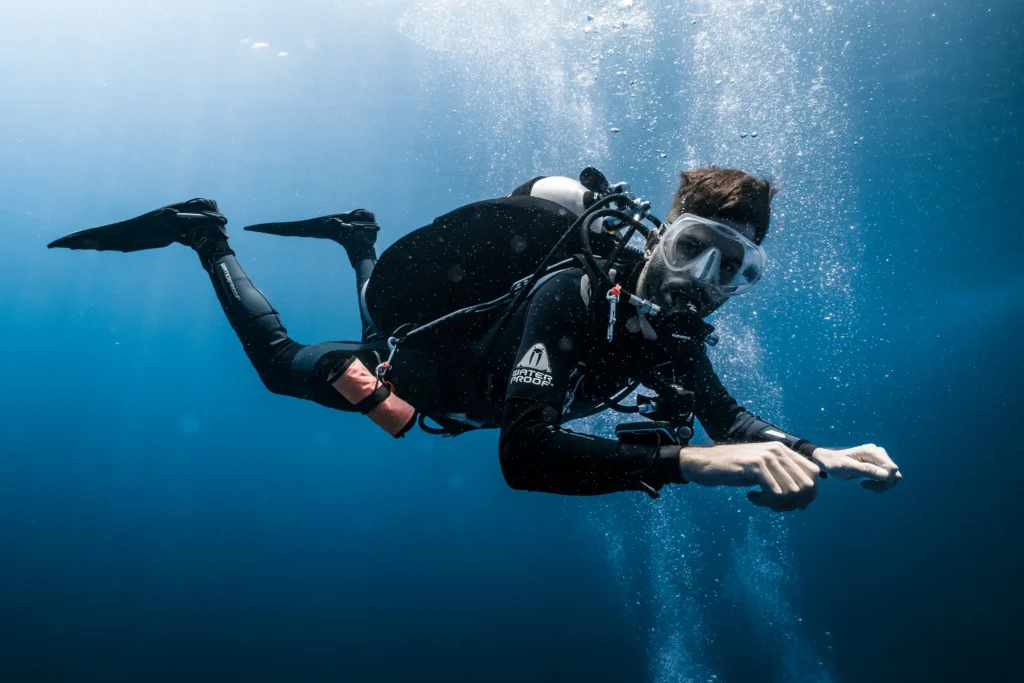
Buoyancy control
In my opinion, this is the single most impactful skill for reef protection. Maintaining good buoyancy is the number one way that you can be a more responsible diver, because it allows you to keep a safe distance from coral and marine life. Too often I’ve seen divers grabbing, kicking, or lying on coral because they’re unable to stay neutrally buoyant. If this is something that you struggle with, don’t worry! There are courses out there that can help you learn and master this skill.
Ideally it shouldn’t be an afterthought or a speciality. Look for training agencies or instructors that emphasize this from the beginning. I recently took a GUE Basic Fundamentals course and maintaining a neutral buoyancy was a major focus of the entire course.
No touching
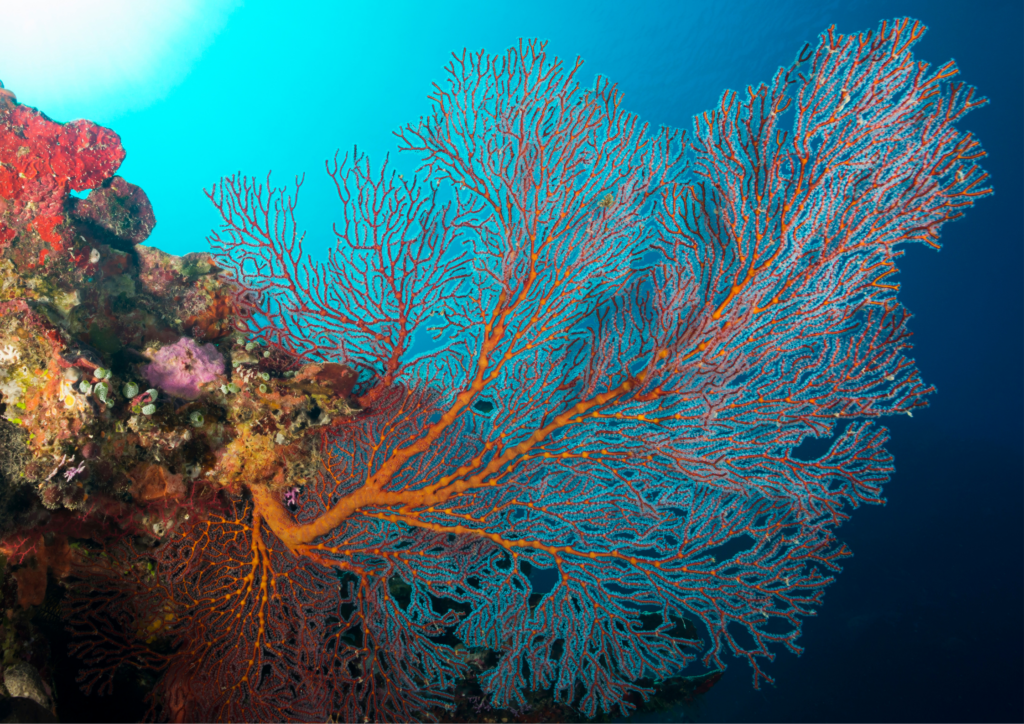
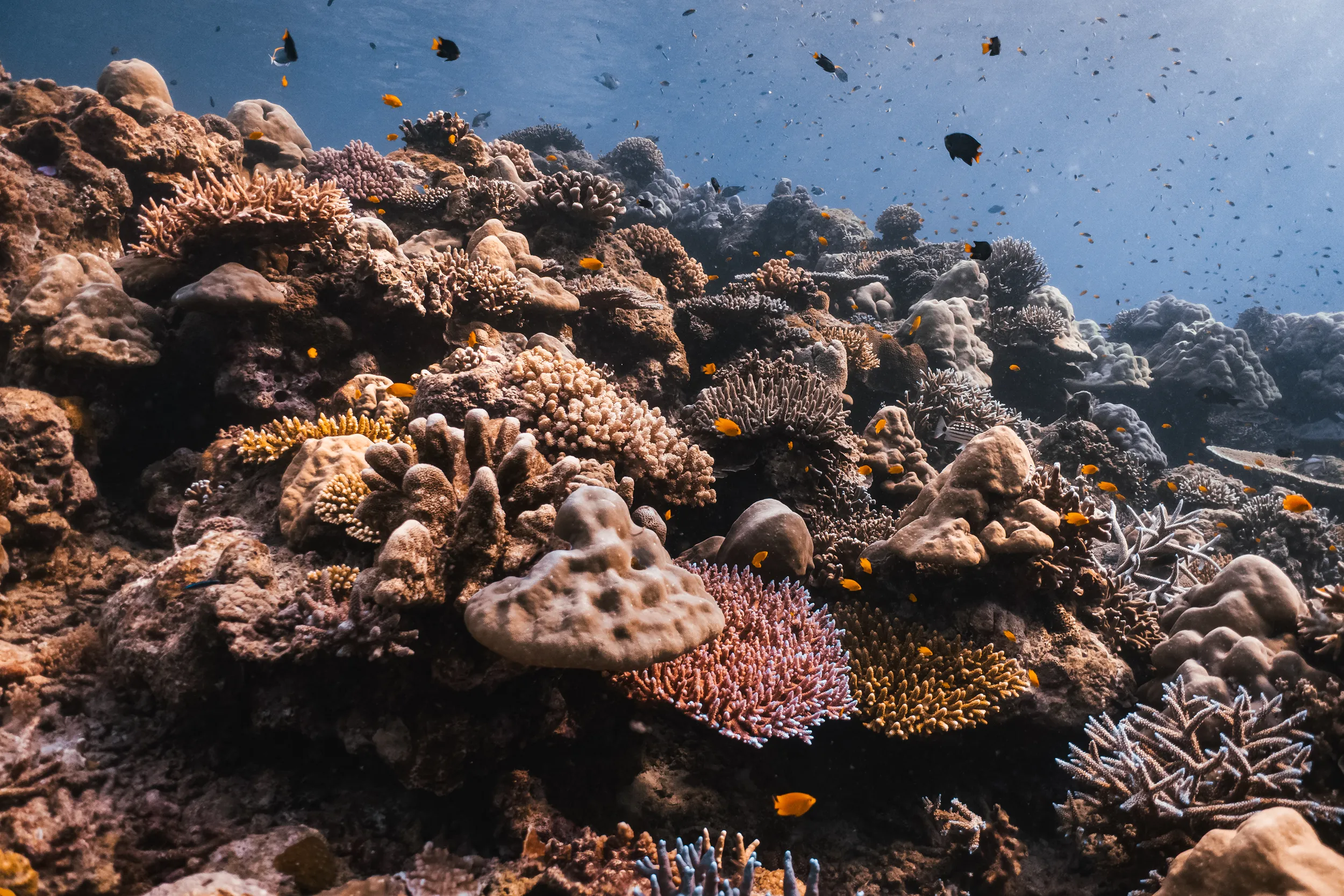
Please, please don’t touch corals, marine life, and even the sea floor. Corals are living animals that are incredibly fragile. Seeing people grab, lay on, kick or stand on coral is so heartbreaking and I often think it comes down to misunderstanding these creatures. Please, whatever you do, don’t touch the coral or marine life you see. Even the sea floor is its own living ecosystem that we need to leave undisturbed.
This is again why I think buoyancy is the number one skill that every diver should master.
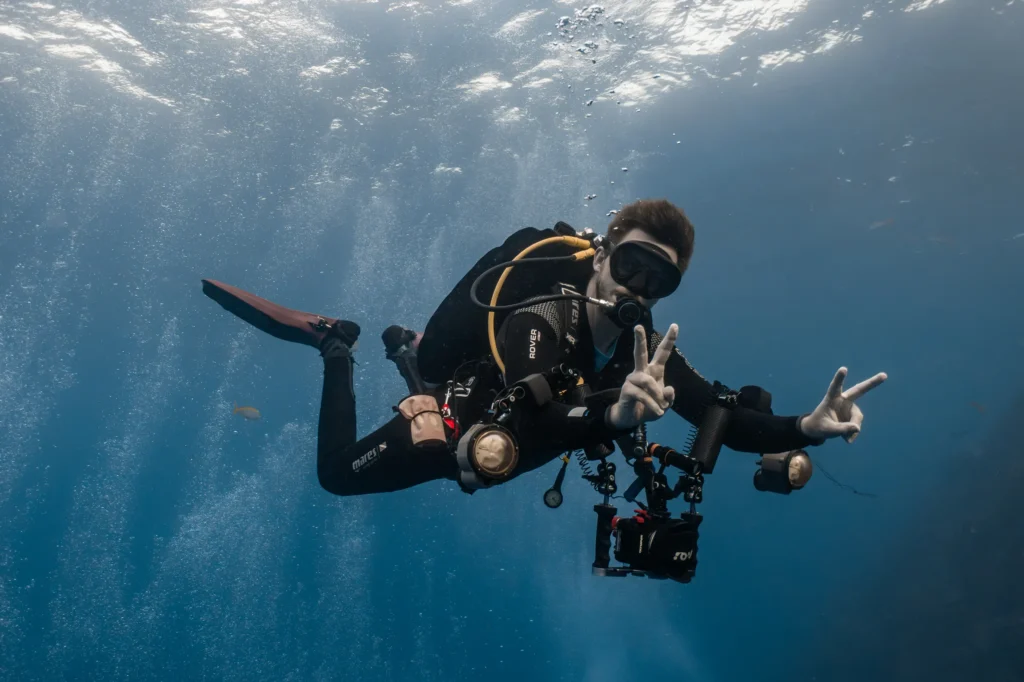
Be responsible photographers
Avoid chasing or stressing animals for a shot. Make sure that you’re maintaining neutral buoyancy while taking photos so you aren’t disturbing the environment and be careful using lights and strobes because some marine life has a heightened sensitivity to bright light.
I also recommend not diving with a camera until you are confident with fundamental skills like buoyancy, trim and propulsion. Oftentimes focusing so much on your GoPro, can pull you out of the moment, meaning you’ll be less present on the actual dive.
Remember to look up, enjoy what’s around you and don’t get so focused on the camera that you forget why you’re there in the first place.
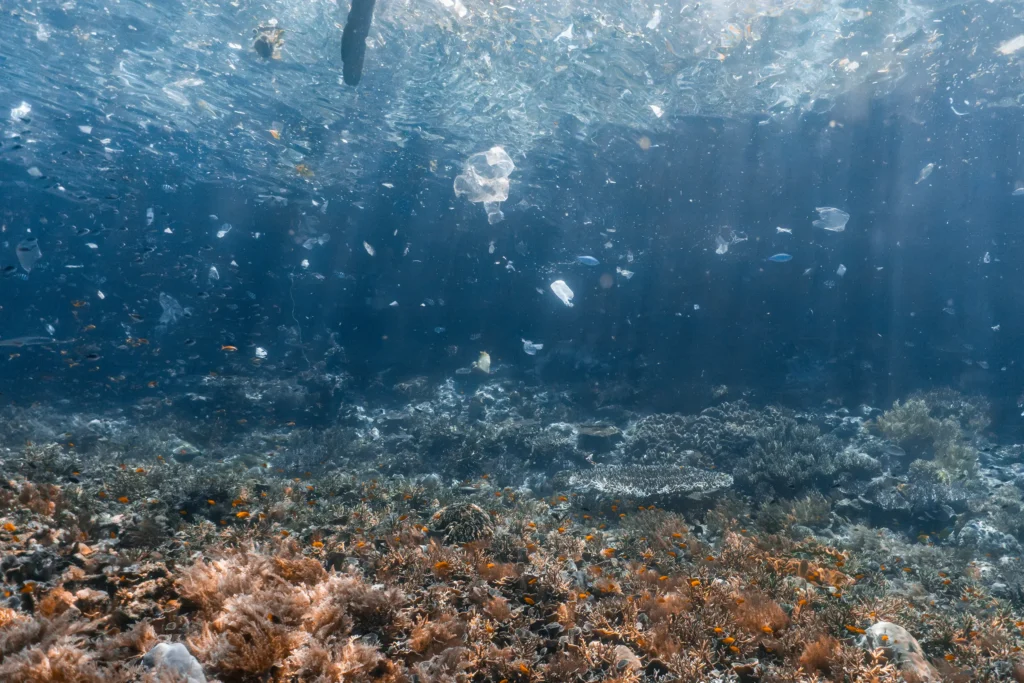
Trash and pollution
In a lot of places, trash and pollution is becoming a big problem. It can feel overwhelming, but like with all things, we just try and do our best. It’s important to reduce how much plastic you’re consuming (this can be done by traveling with a reusable water bottle, saying no to plastic bags and buying more fresh as opposed to packaged food). There are also lots of opportunities to join a local beach clean or clean up dive.
You might be diving in remote places where there aren’t any suitable waste collection facilities at all. In those cases, treat it like you would when you’re outdoors in nature and pack out what you pack in. “Leave no trace” doesn’t just apply to hiking.
Respect marine life
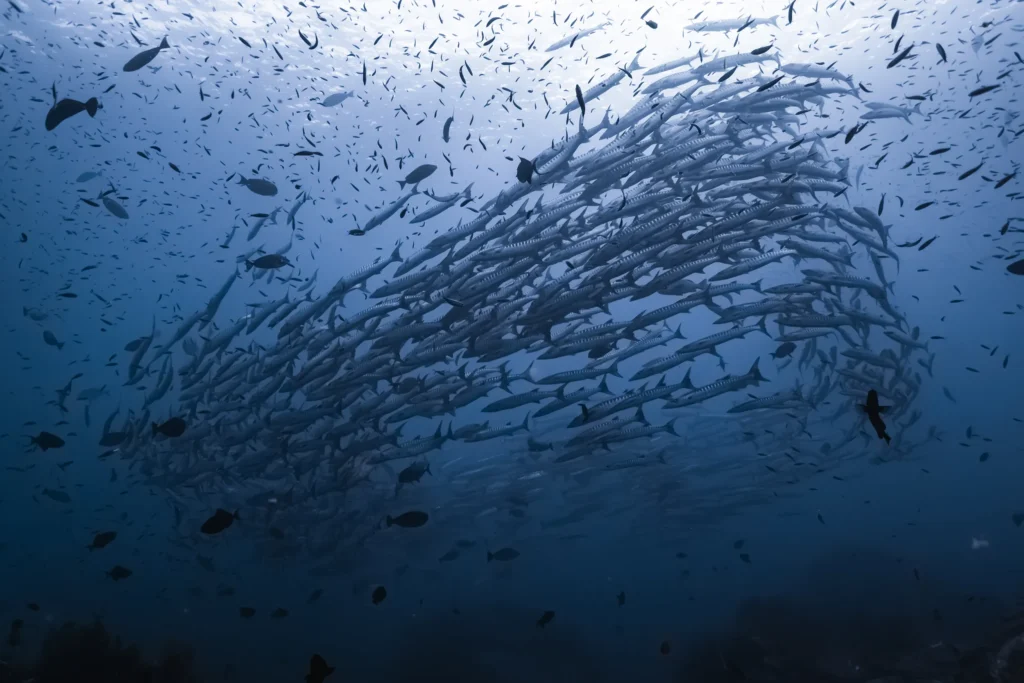
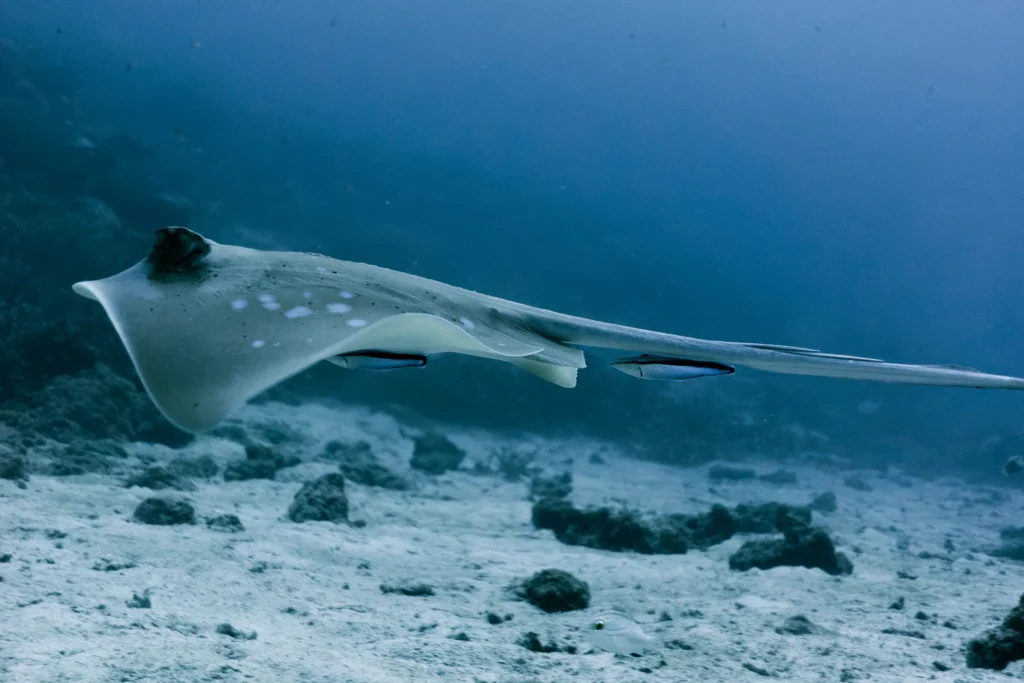
Along with no touching, maintain a safe distance from marine life like turtles, sharks, whale sharks and manta rays. I know fish are going to be swimming all around you, but don’t chase after a manta or swim directly up to a shark or turtle. Stay still and allow wildlife to interact with the environment however they choose. They might be there to feed or to be cleaned, and chasing them away disrupts this behaviour. You’ll also have much better interactions.
Larger animals like manta rays can sometimes even become curious and get closer if you stay very still, if you chase them away with your bubbles and lights no one will see them and your dive buddies will blame you for it.
Always stay within your limits
Always dive within your limits. There are deep dives and occasionally strong currents in the Similan and Surin Islands. It’s important that you know your limits not just in terms of your diving certifications but also your own personal comfort and skills. Never put yourself in a situation where you don’t feel comfortable. Plan your dives and always dive your plan.
Follow local laws and regulations
Different countries have implemented different rules and regulations to help protect marine environments. Some of these include things like group sizes and rules about when and where you can do try dives. You might also need to pay a marine park or national park fee (this is something in place in this part of Thailand as well).
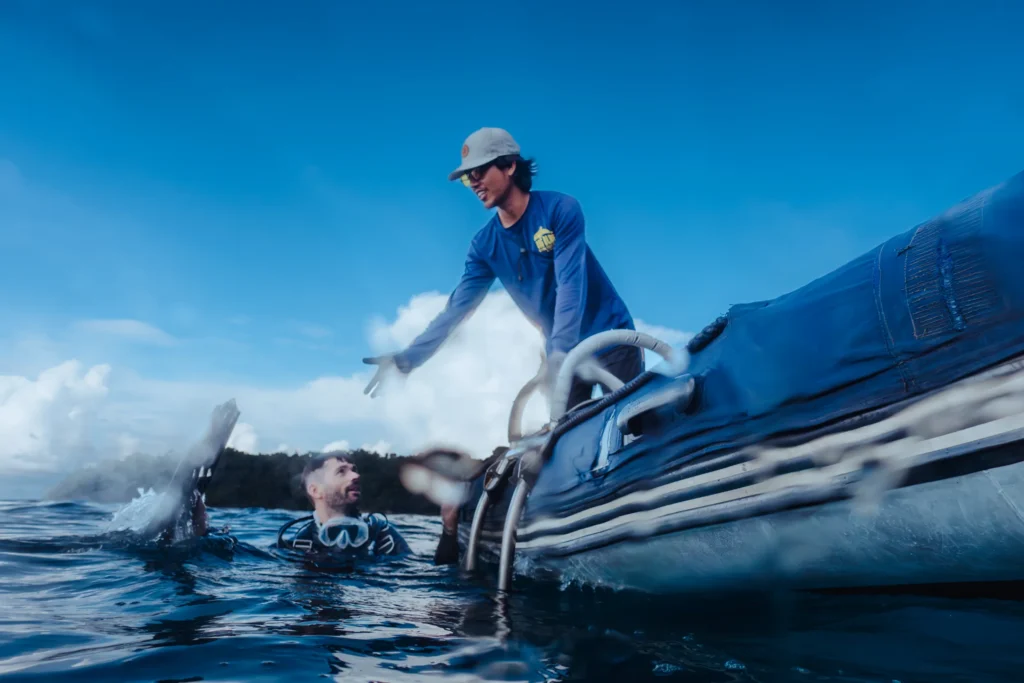
I know there are extra rules in the Similan and Surin islands that all dive operators should be following. For example, it’s a requirement that liveaboards use dinghies to drop off and pick up divers on the dive sites. This is to protect both divers and the coral reefs.
There are also islands that are closed to allow the marine environment time to regenerate.
When to Further Your Diving Skills
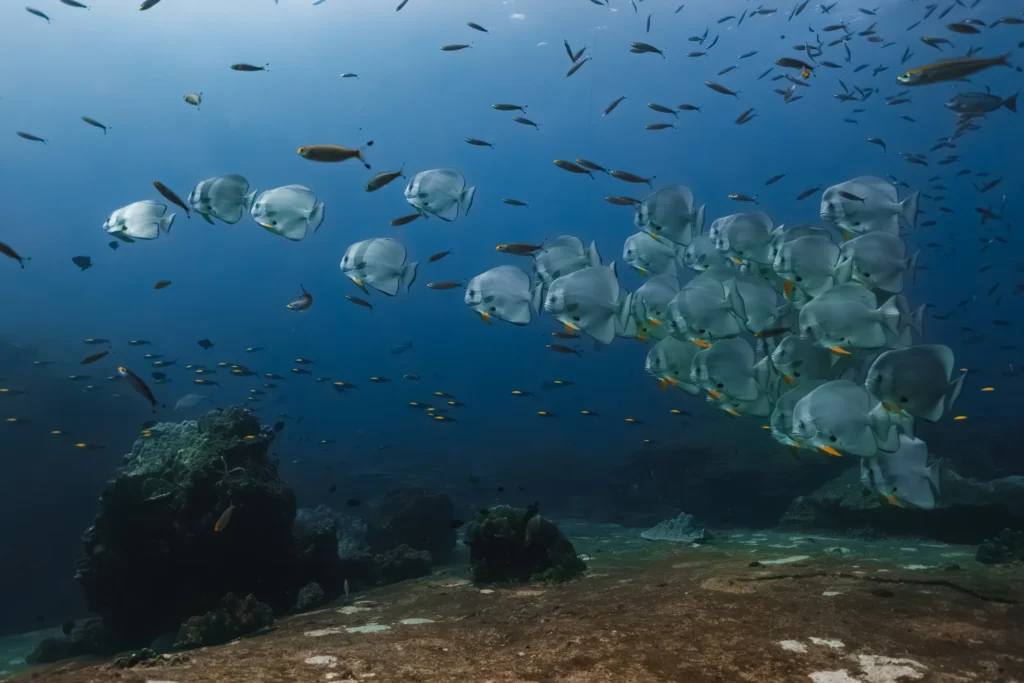
One of the most valuable ways you can become a more responsible diver is actually through taking the time to learn and practice. The majority of divers get their Open Water or Advanced Open Water Certification and then no matter how long it’s been since they last dove, they assume they can do any dive, anywhere. In reality, it’s easy to forget a lot of what you’ve learned in your courses and one of the best ways to become a better diver is to never stop learning.
There are so many different courses, instructors and agencies that can help you become a better diver and I genuinely believe that everyone should continue to uplevel their skills.
Some of the best courses that I’ve done since my initial certification were:
- Rescue Diver Course: I think everyone should eventually do this course. Not only do you learn how to safely perform a rescue, but you also learn what could go wrong and how to fix problems before they escalate. This isn’t an easy course, it’s definitely challenging but it’s also the most rewarding diving experience that I’ve had from a course.
- Eco Diver Course: This course forced me to focus on my buoyancy and finning techniques so that I could safely navigate and study coral on a reef without damaging anything. On our first dive the instructor filmed us all attempting to back fin which was a funny and humbling experience.
- GUE Fundamentals Course: If you want to work on your buoyancy, trim and safe ascents, I highly recommend this course. It takes you back to basics and helps correct a lot of the mistakes you might have picked up along the way in your diving journey.
Becoming Nitrox certified is a way to make diving safer, extend your bottom times and also helps you understand more about the physiology of diving, which can help make you a more responsible diver.
The better your skills as a diver, the better dives you’re going to have. And trust me, your diving actually gets more enjoyable because all of those little things you need to think about (like buoyancy and finning) become second nature.
Choosing the Right Dive Company
Lastly, who you dive with matters. I will say this until I am blue in the face: the best diving operators are not the ones offering the best ‘deal.’ I will never recommend a diving company simply because they’re the cheapest.
When it comes to diving, I always try to put my money where my mouth is and go with the operator that’s the safest, but also that truly cares about the environment and place that we’re in.
Green flags to look for:
- Small group sizes and experienced divemasters
- A thorough dive briefing that includes environmental guidelines
- Well-maintained equipments (this shows that the dive center is investing in the safety of their customers)
- Transparency around waste and anchoring policies
- Affiliation with eco-certifications like Green Fins (I’m aware that there is a lot of ‘green washing’ in the travel and the diving space, but I’ve found that the dive centers with the real and in-person Green Fins Membership that are being checked regularly, like Evolution in the Philippines, are genuinely eco dive centers)
Red flags to look for:
- Overcrowed boats and rushed dives
- No pre-dive briefings
- Encouraging or allowing touching/feeding of marine life
- Cutting corners on safety checks
I find it’s so valuable to read reviews through an eco-lens and a safety-lens as opposed to just a fun-lens. Oftentimes other divers will leave honest reviews when they’re disappointed with the way a dive center behaves underwater.
This happened to me recently in Indonesia. There was a dive center that I had wanted to dive with for a long time, mostly because their social media and marketing was so heavily geared towards eco travel and taking care of the environment. Unfortunately their divemasters didn’t uphold those standards under water. We saw divemasters lying on the coral, touching and interacting with the wildlife and planning dives that forced divers to crawl along the sea floor while fighting the current.
I went back and looked at their 2-3 star reviews online and there were several other people sharing concerns with how the diving team was behaving underwater. It was disappointing to see, but once we switched to another dive center on the island, we had a much better diving experience.
It just goes to show that just because someone is popular online, does not mean they’re the best to dive with.
Who Should You Dive with in the Similan and Surin Islands?
We had the exact opposite experience with the team we dove with in the Similan and Surin Islands. The team on the Blue Dolphin MV are passionate about the environment and doing everything they can to protect the places we all love so much.
On their liveaboard, Boots the manager, starts every trip by reminding us of our impact on the ecosystems we’re visiting and he reminds us of the things that we can do to be guardians of these places. All of their onboard products are reef safe, they maintain small group sizes and they make sure their staff and customers are never interacting with wildlife in an inappropriate manner.
They’ve also recently launched Living Blue, a project where conservation meets this lifestyle of eat, sleep, dive, repeat that we all love so much. With more and more divers flocking to the Similan and Surin Islands each year, it’s comforting to dive with people who truly care about the impact that they have on a place.
If you’re wondering who to go diving with in the Similan and Surin Islands, I couldn’t recommend Big Blue Khao Lak more. The entire team is incredible and so passionate about protecting the ocean.
“When you spend this much time in the ocean, protecting it becomes personal. Our conservation flows naturally from our ocean obsession.” – Living Blue by Big Blue Khao Lak
Conclusion
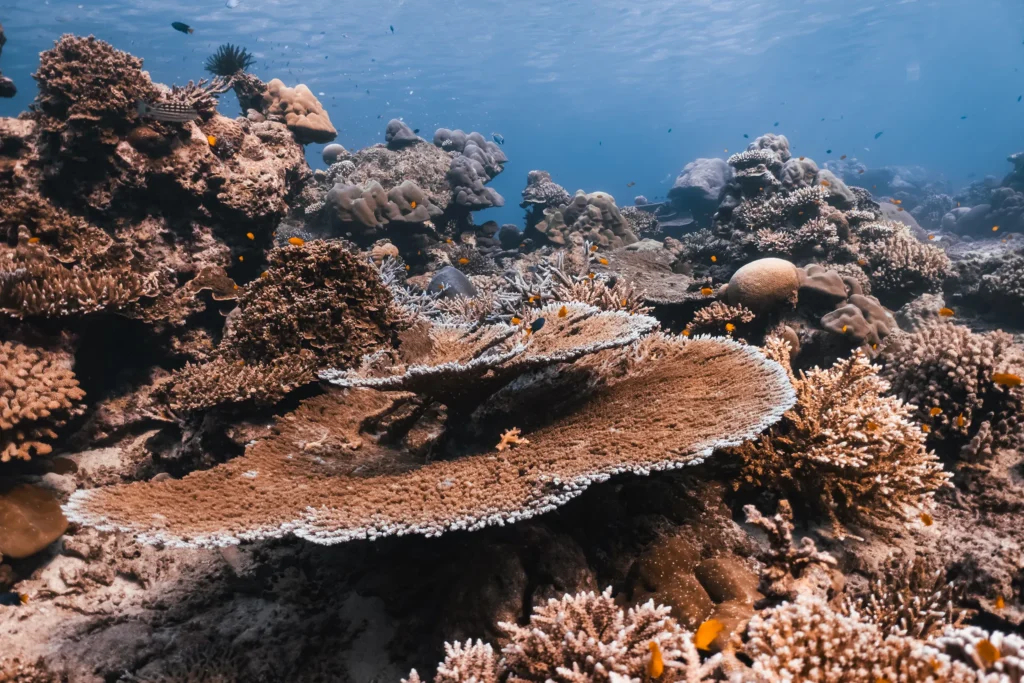
As divers, it’s our responsibility to be the best divers that we can be. We’re all guardians of these places and I personally would love to see fewer divers touching, lying on or standing on coral. We’re so lucky to have these incredibly healthy coral reefs open for us to visit in the Similan and Surin Islands and it’s up to visiting divers to keep them that way.
I hope that this post encourages you to look critically at your own diving skills and take courses to help you be a more responsible diver. I hope that you feel encouraged to dive thoughtfully, choose wisely and leave nothing but bubbles.
And I hope to see you out there diving.
This blog was a bit different, and I hope we can all go on this journey to become more responsible divers together. If you want to read some of my trip reports, you can find them here.
Until next time, happy bubbles!
Planning more diving trips around Southeast Asia? Read some of my other diving guides next.
- 20 Photos to Inspire Your Trip to the Andaman Sea
- Responsible Diving in the Similan and Surin Islands
- Blue Dolphin Liveaboard Review (Similan & Surin Islands)
- Fun Diving on Koh Tao with the First Luxury Dive Catamaran
- What to Pack for a Liveaboard in Thailand
Love this travel guide? Much like a cup of coffee, I pour my heart and soul into each post! Say thank you by buying me a cup of coffee. Support this blog and keep it ad-free.
If you want to see where in the world I am, make sure to follow me on Instagram.